Hun Ming Kwang Coaching Framework: A Structured Path to Conscious Growth
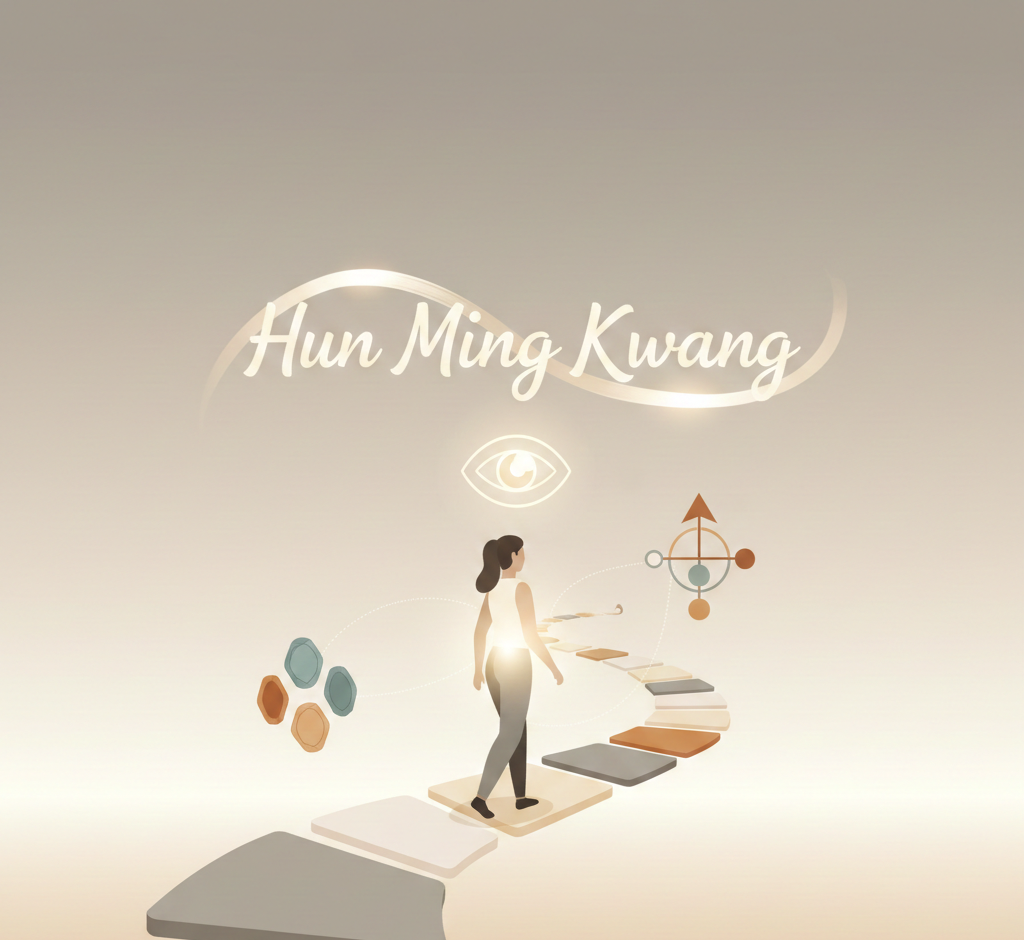
The Hun Ming Kwang coaching framework is a thoughtful and structured approach designed to support personal clarity, emotional intelligence, and sustainable growth. In a world where many coaching models prioritize speed and outcomes, this framework focuses on awareness as the foundation for meaningful change. It recognizes that true transformation occurs when individuals understand themselves before attempting to change external circumstances.Rather than offering rigid formulas, the Hun Ming Kwang coaching framework provides a flexible structure that adapts to individual needs. It helps people recognize internal patterns, align values with action, and develop self-leadership through conscious reflection. This framework supports growth that feels natural, intentional, and deeply human.
Understanding the Hun Ming Kwang Coaching Framework
At its core, the Hun Ming Kwang coaching framework is built around awareness, responsibility, and alignment. It encourages individuals to explore their inner landscape with curiosity and honesty.
The Purpose of the Hun Ming Kwang Coaching Framework
The main purpose of the Hun Ming Kwang coaching framework is to create clarity. By understanding thoughts, emotions, and behavioral patterns, individuals gain insight into what truly drives their decisions. This clarity allows change to emerge from understanding rather than pressure.
Awareness as the Foundation of the Hun Ming Kwang Coaching Framework
Awareness is the first step in this framework. The Hun Ming Kwang coaching framework helps individuals notice unconscious habits and emotional triggers that influence outcomes. Once awareness is present, individuals can make conscious and empowered choices.
Core Components of the Hun Ming Kwang Coaching Framework
The strength of the Hun Ming Kwang coaching framework lies in its balanced structure, combining inner awareness with practical action.
Emotional Intelligence Within the Hun Ming Kwang Coaching Framework
Emotional intelligence is a central component of the Hun Ming Kwang coaching framework. Clients learn to recognize emotions, regulate responses, and communicate with clarity. This emotional awareness supports healthier relationships and stronger leadership.
Reflection and Conscious Inquiry
Reflection plays a key role in the Hun Ming Kwang coaching framework. Through guided inquiry, individuals explore beliefs and assumptions that shape behavior. This process promotes insight without judgment, allowing growth to feel safe and sustainable.
Alignment Between Values and Actions
The Hun Ming Kwang coaching framework emphasizes alignment. When actions reflect personal values, motivation becomes consistent and authentic. This alignment reduces internal conflict and supports long-term fulfillment.
How the Hun Ming Kwang Coaching Framework Supports Growth
The Hun Ming Kwang coaching framework is designed to support both personal and professional development.
Developing Self-Leadership Skills
Self-leadership is a natural outcome of the Hun Ming Kwang coaching framework. Individuals learn to guide themselves with awareness, emotional balance, and integrity instead of relying on external validation.
Improving Communication and Relationships
As inner clarity increases, communication improves. The Hun Ming Kwang coaching framework helps individuals listen more deeply, express themselves authentically, and build trust in relationships.
Navigating Change With Stability
Change becomes less overwhelming when approached consciously. The Hun Ming Kwang coaching framework equips individuals with inner stability, allowing them to adapt to transitions with confidence and calm.
Why the Hun Ming Kwang Coaching Framework Is Unique
What sets the Hun Ming Kwang coaching framework apart is its respectful and non-forceful approach. It does not push individuals to perform or change before they are ready. Instead, it honors personal pace and emotional readiness.This framework is especially valuable for leaders, professionals, and individuals seeking meaningful growth without burnout. The Hun Ming Kwang coaching framework focuses on depth, awareness, and sustainability rather than quick fixes.
About the Hun Ming Kwang Coaching Framework
What is the Hun Ming Kwang coaching framework?
The Hun Ming Kwang coaching framework is a structured coaching approach focused on awareness, emotional intelligence, and aligned action.
Who can benefit from the Hun Ming Kwang coaching framework?
Anyone seeking clarity, self-leadership, emotional balance, or sustainable growth can benefit from this framework.
Is the Hun Ming Kwang coaching framework goal-focused?
Yes, but goals are explored consciously and aligned with personal values rather than pressure or external expectations.
How is the Hun Ming Kwang coaching framework different from traditional coaching?
Traditional coaching often focuses on performance, while the Hun Ming Kwang coaching framework emphasizes inner awareness and long-term change.
Can the Hun Ming Kwang coaching framework support leadership development?
Absolutely. It strengthens emotional intelligence, decision-making, and authentic leadership skills.